Real cost of rubbish removal in Fulham explained
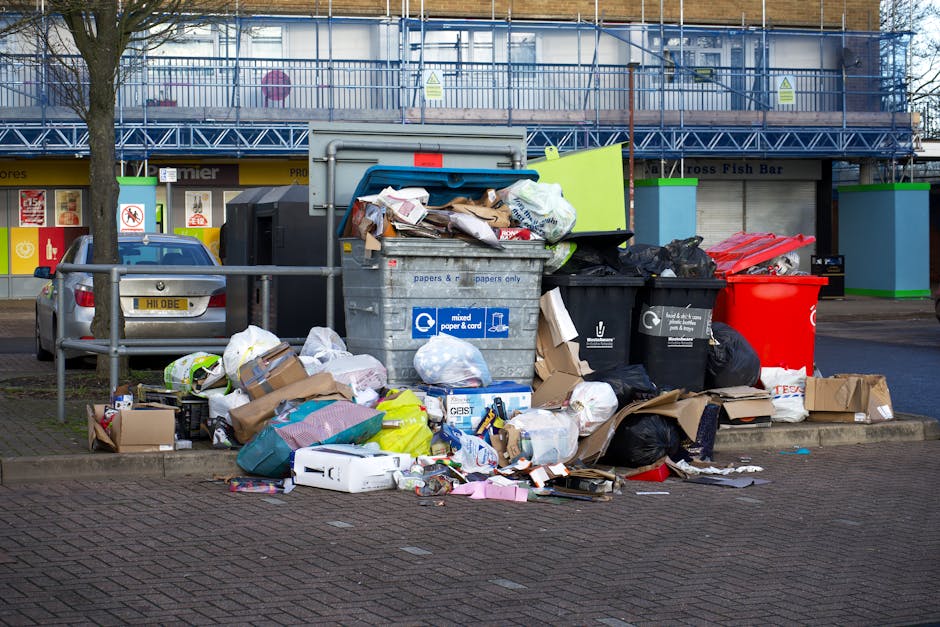
If you have ever looked at a pile of unwanted furniture, builders' rubble, or a post-tenant mess and thought, "How much is this actually going to cost me?", you are not alone. The real cost of rubbish removal in Fulham explained is a lot easier to understand once you know what drives the price, what tends to be included, and where the hidden extras usually creep in. In a busy part of London like Fulham, costs can feel a bit unpredictable at first glance. They do not have to be. Once you break the job down properly, the numbers make sense.
This guide walks you through pricing, service types, common add-ons, and the practical decisions that matter before you book. We will keep it straightforward, grounded, and useful. No fluff, no mystery. Just the kind of detail that helps you compare services with confidence and avoid paying more than you need to.
- Why the real cost matters
- How rubbish removal works in Fulham
- Benefits of using a professional service
- Who this is for
- Step-by-step guidance
- Expert tips
- Common mistakes to avoid
- Tools, resources and recommendations
- Law, compliance and best practice
- Options and comparison table
- Real-world example
- Practical checklist
- Conclusion
- Frequently asked questions
Why Real cost of rubbish removal in Fulham explained Matters
Rubbish removal pricing is one of those things people often underestimate. The quote looks simple, but the job behind it may not be. In Fulham, where properties range from compact flats near the station to larger homes and converted buildings, access can be tight, parking can be awkward, and waste can vary wildly from one job to the next. That changes the real cost quite a bit.
Why does this matter so much? Because the cheapest headline price is not always the cheapest job. A low quote can become expensive once labour, loading time, lift restrictions, bulky items, or disposal charges are added. On the other hand, an apparently higher quote may already include collection, handling, recycling, and proper disposal. Different pricing models, same pile of stuff, very different outcomes.
There is also the trust factor. When you understand what you are paying for, you can judge whether the service is fair, whether it suits your schedule, and whether you are likely to get stung by "surprise" charges. Let's face it, nobody enjoys that awkward moment at the door when a van arrives and the price suddenly climbs because the sofa is heavier than expected.
For landlords, tenants, homeowners, and small businesses, getting the cost right helps with budgeting, planning, and compliance. It also helps you choose the right type of service rather than overbuying or underbuying. That can be the difference between a quick, clean job and a frustrating half-finished one.
How Real cost of rubbish removal in Fulham explained Works
Most rubbish removal services price jobs using a mix of volume, weight, labour, access, and waste type. Some charge by how much space your rubbish takes in the vehicle. Others combine that with a minimum call-out fee or a labour charge for awkward handling. In practice, the cost is shaped by the full picture of the job, not just the bin bags sitting in the hallway.
A typical quote may reflect:
- Volume: How much room the waste takes in the truck or van.
- Weight: Heavy materials like soil, tiles, or broken masonry can cost more.
- Access: Flats with stairs, no lift, narrow entries, or limited parking take longer.
- Waste category: General household waste, furniture, garden waste, and builders' waste may all be priced differently.
- Labour: If items need carrying from the back of a property, dismantling, or sorting, that can affect the price.
- Disposal route: Reusable or recyclable items may be cheaper to process than mixed, contaminated waste.
In a local area like Fulham, timing can matter too. A same-day collection in the middle of a busy weekday is often more expensive than a flexible off-peak slot. That is not unusual. It is simply the reality of moving crews and vehicles around a congested London postcode.
It helps to think of rubbish removal as a service built around effort, not just items. Two jobs with the same number of bin bags can have very different totals if one is on the ground floor with street access and the other is three flights up in a narrow staircase. The van does not care about your stairs, but the crew certainly does.
What usually makes the price go up?
There are a few classic triggers. Oversized wardrobes, mattress removal, garden branches mixed with soil, water-damaged items, and heavy renovation debris all tend to push the cost higher. So does waste that needs careful separation. If your pile includes a bit of everything, expect the price to reflect that mixed nature.
Another factor is time on site. A quick lift-and-load collection is usually more efficient than a job where the team must sort, dismantle, or navigate awkward parking. In Fulham, where space can be tight and traffic can nibble away at the clock, efficiency really matters.
Key Benefits and Practical Advantages
Once you understand the cost structure, professional rubbish removal starts to look less like an expense and more like a practical fix. The first advantage is convenience. You do not have to hire a van, recruit friends, or spend your weekend wrestling a broken bed frame down a stairwell. That alone is worth something.
There is also the matter of speed. A good service can clear a lot in a short visit. For people dealing with a move, end-of-tenancy clean-up, post-refurbishment debris, or a garage that has become a holding pen for "things I will sort later," speed is a major benefit.
Other practical advantages include:
- Cleaner space, faster: Especially useful before guests, viewings, or property handover.
- Less physical strain: Heavy lifting is no joke, and backs tend to complain later.
- Better sorting and disposal: Reusable and recyclable items can often be handled more responsibly.
- Reduced risk of mistakes: You are less likely to damage walls, lifts, or communal hallways.
- Clearer budgeting: Once the job is assessed properly, the cost is easier to justify.
There is a quieter benefit too. Clearing rubbish often clears headspace. You notice it when the hallway stops looking like a storage unit and starts looking like part of your home again. A small thing, maybe. But a real one.
Expert summary: The real cost of rubbish removal in Fulham is not just the pile size. It is the mix of access, waste type, labour, timing, and disposal method. If any one of those changes, the price can change as well.
Who This Is For and When It Makes Sense
Rubbish removal is not only for people facing a major clear-out. In Fulham, it is often the simplest solution for smaller but awkward jobs that are too much for ordinary bin collections. If you have ever looked at a wardrobe that will not fit in a lift, or a pile of garden waste after a weekend of pruning, you already know the feeling.
This service makes sense for:
- Homeowners doing a loft clear-out, decluttering project, or post-renovation tidy-up.
- Renters who need to clear bulky items before moving out.
- Landlords handling leftover items after a tenancy ends.
- Estate agents and property managers dealing with fast turnarounds between lettings.
- Local businesses clearing office furniture, packaging, or old stock.
- Builders and tradespeople looking for removal of waste after a small project.
It is also useful for people who do not want to take on the hidden effort of disposal. You may have the time to load a few bags. But do you want to spend half a day figuring out the right disposal route, parking, and vehicle hire? Usually not. Truth be told, most people just want the space back without turning the whole thing into a mini logistics project.
If your waste is scattered across several rooms, mixed with furniture, or located in an awkward basement or top-floor flat, the value of a proper service goes up quickly. The job may look small from the outside. It rarely is.
Step-by-Step Guidance
If you want to understand the real cost clearly, it helps to follow the job from first assessment to final collection. That way you can spot where the price comes from and where you might save a bit.
- List everything that needs removing. Be specific. "A few things" is not enough. Write down sofas, bags, desks, mattresses, garden waste, or builders' rubble.
- Check access. Note stairs, lifts, narrow hallways, parking restrictions, and whether the items are inside, outside, or in a rear garden.
- Separate waste types. Mixed loads can cost more. If furniture, cardboard, and rubble are all together, say so early.
- Ask how pricing is calculated. Is it by volume, weight, labour, or a combination? This is where many misunderstandings begin.
- Request a clear quote. A good quote should explain what is included and mention likely extras if the load changes on arrival.
- Confirm collection timing. Same-day or urgent collections can cost more, especially in busier periods.
- Prepare the waste if you can. Move bags to a single point, separate recyclables, and make access easy. Small effort, often worthwhile.
- Check the final handover. Before the van leaves, make sure the right items have gone and the area is left tidy.
That process sounds simple, because it mostly is. But each step gives you more control. And control matters when you are trying to avoid a vague "we'll see on the day" kind of quote.
Expert Tips for Better Results
A better rubbish removal experience usually comes down to preparation and clarity. The more a provider knows before they arrive, the less likely you are to be hit with a painful adjustment. One of the simplest tips is to take a few photos from different angles. It sounds almost too obvious, but it helps a lot.
Here are practical ways to keep the cost sensible:
- Group waste in one place: This cuts loading time and makes the quote more accurate.
- Separate heavy and light materials: Builders' rubble should not be hidden under a few bin bags.
- Flag difficult access early: It saves time and avoids that awkward surprise when the crew arrives.
- Be honest about volume: Underestimating is the fastest route to a higher final bill.
- Ask about recycling: Not every service handles materials the same way, and it can affect pricing.
- Choose the right timing: If your collection is flexible, you may have more cost-effective options.
A small but useful insight: the neatest-looking pile is not always the cheapest to remove. A single huge wardrobe can take more time and care than a few bags of mixed light waste. Size alone does not tell the full story. Weight and awkwardness count too.
Also, if you are clearing a property in stages, it is worth bundling the work. Two tiny visits can cost more than one slightly bigger one. Sometimes the smart move is simply to wait a day or two and clear everything in one go. Not glamorous, but effective.
Common Mistakes to Avoid
Most expensive rubbish removal mistakes are pretty avoidable. The trouble is that people are often in a rush. Moving out, renovating, or clearing a cluttered house tends to compress everything into one busy moment. Then the details slip.
Watch out for these common errors:
- Not describing the waste properly: "General rubbish" may not cover what is actually there.
- Forgetting about access issues: Parking, stairs, and loading distance all matter.
- Mixing prohibited or specialist waste with ordinary items: Some waste needs different handling.
- Assuming a cheap quote includes everything: Always check what is and is not included.
- Leaving sorting until collection day: This can slow the job and raise the price.
- Ignoring disposal responsibility: You want a service that handles waste properly, not one that leaves you wondering where it went.
Another mistake is comparing only headline prices. A van that is GBP20 cheaper on paper may take longer, exclude labour, or charge extra once it sees the load. Meanwhile, a slightly higher quote might be more transparent and easier to budget around. In real life, transparency usually wins.
And yes, people do sometimes forget to include the garden, the shed, the under-stairs cupboard, and the "temporary" pile in the spare room. We have all seen it happen. There is always one more bag.
Tools, Resources and Recommendations
You do not need complicated tools to manage rubbish removal well, but a few basic things make the job easier. A phone camera is probably the most useful tool of all. Clear photos taken in daylight help with quotes, especially if the waste is mixed or stacked tightly.
Other helpful items include:
- A simple checklist of what is being removed.
- Basic measuring tape if you are checking whether bulky items fit through doors or hallways.
- Sturdy bags or boxes for loose waste that could otherwise spill around.
- Labels or notes if some items are keepers and others are going.
- Access details such as entry codes, parking instructions, or concierge arrangements.
If you want to understand broader service quality, it also helps to look at a provider's information on pricing, safety, recycling, and insurance. Pages such as pricing and quotes, insurance and safety, and recycling and sustainability give a clearer picture of how a company handles jobs, what it prioritises, and how seriously it takes disposal standards.
For larger or more specific jobs, the type of clearance matters too. A flat clearance, for example, is often very different from a garden clearance or builders' waste clearance. If your job is more specialised, using the relevant service page can help you compare like with like: flat clearance, garden clearance, and builders' waste clearance.
That simple comparison step can save more than people expect. It stops you paying for the wrong type of collection. Which happens, more often than you'd think.
Law, Compliance, Standards, or Best Practice
Waste removal is not just about convenience. It also comes with responsibilities. In the UK, waste should be handled and disposed of properly, and that means using a provider that operates with care and follows accepted best practice. You do not need to memorise legal detail to make a sensible decision, but you should expect a responsible service to treat waste seriously.
Good practice usually includes:
- Responsible handling of waste streams rather than dumping mixed waste carelessly.
- Attention to recycling where materials can reasonably be separated and reused.
- Safe manual handling to reduce injury and property damage.
- Clear communication about what can and cannot be collected.
- Transparent pricing so the customer knows what they are agreeing to.
If your waste includes anything unusual, bulky, hazardous, or potentially restricted, you should ask questions before booking. That is especially important with items that may need specialist handling. A professional team should be able to explain the difference in plain English, not hide behind jargon.
For trust signals, it is sensible to review a company's published policies. Pages like health and safety policy, about us, and complaints procedure can tell you a lot about how seriously the business treats customer care. If payment detail matters to you, the payment and security page is worth a look as well.
One more thing: if a service sounds vague about disposal methods, take that as a sign to ask more questions. A clear answer is a good answer. Every time.
Options, Methods, or Comparison Table
Different rubbish removal options suit different situations. The best choice depends on volume, urgency, access, and how much work you want to do yourself. A small, tidy load in easy reach may suit one approach; a full property clear-out in a second-floor flat may need another.
| Option | Best for | Typical advantages | Possible drawbacks |
|---|---|---|---|
| Man and van rubbish removal | Quick household clear-outs, bulky items, mixed loads | Fast, flexible, labour included, convenient | Can cost more for heavy or awkward waste |
| Skip hire | Longer projects, ongoing DIY or refurbishment work | Useful if you are loading waste over time | Needs space, permits may be needed, you load it yourself |
| DIY car runs to disposal points | Very small amounts of waste | Can be cheaper for tiny jobs | Time-consuming, physical effort, multiple trips, not ideal for large items |
| Specialist clearance service | Full flats, estates, offices, or larger property clearances | Organised, efficient, better for larger or more complex jobs | May be more than you need for a small pile of rubbish |
If you are only removing a few bulky items, a flexible collection service often makes the most sense. If you have ongoing construction waste, a different approach may be better. The trick is not to force the wrong solution onto the job. That is where people waste money, and time.
For some households, a broader clearance can be more efficient than piecing together several smaller removals. Services like home clearance, house clearance, and loft clearance may be more appropriate when clutter has spread across multiple rooms. If the waste is mainly furniture, then furniture clearance or furniture disposal may be the cleaner fit.
Case Study or Real-World Example
Picture a typical Fulham flat clearance after a move. There is a sofa, a dismantled bed frame, two wardrobes, six bin bags, an old desk, and a few kitchen bits that did not make the cut. Access is via a narrow staircase, parking is tight, and the collection window has to fit around work and the building's quieter hours.
On paper, that sounds like a straightforward "one van, one stop" job. In reality, it involves careful carrying, a bit of sorting, and a fair amount of timing. The sofa might be easy enough. The wardrobe, less so. If the items need to be taken down stairs one by one, the labour time rises. If the team has to wait for parking space or navigate a busy entrance, that adds pressure too.
Now compare that with a ground-floor garden clear-out: broken planter pots, cut branches, old shelving, and a few sacks of general waste stacked by the gate. Same area, different cost. The garden job may be easier to load, but if the waste is wet, tangled, or mixed with soil, the weight can still bump the price. Funny how that works. The eye is rarely the best judge.
In both cases, the final cost is driven by the same principle: how much effort it takes to remove the waste safely and dispose of it properly. That is the real answer underneath the quote. Not magic. Just logistics.
Practical Checklist
Use this checklist before you book. It saves time, and it tends to reduce the risk of misunderstandings on the day.
- List every item that needs removing.
- Take clear photos of the waste from a few angles.
- Note access issues: stairs, lift, parking, distance, and entry codes.
- Separate general rubbish from furniture, garden waste, and heavy materials if possible.
- Ask how the price is calculated.
- Confirm whether labour, disposal, and recycling are included.
- Check whether same-day or urgent collection costs more.
- Ask what happens if the volume is slightly different on arrival.
- Make sure valuable items are moved out of the way.
- Keep the access route clear so the team can work safely.
If you are unsure about the type of job, it can help to compare your needs with a related service. For example, office spaces may be better served by office clearance, while business premises may need business waste removal. The more closely the service matches the job, the better the value usually is.
And if you are dealing with a garage that has quietly become a storage cave, garage clearance can be a very neat solution. You know the sort of place. One old chair, three paint tins, a bike with no chain, and a mystery box nobody has opened in years.
Conclusion
The real cost of rubbish removal in Fulham comes down to more than a number on a quote. It reflects the amount of waste, the type of waste, the ease of access, the level of labour, and the speed you need. Once you understand those moving parts, pricing becomes much less confusing and far easier to compare.
The main thing to remember is this: a good quote should feel clear, not slippery. If the service explains what is included, asks sensible questions, and treats your waste responsibly, you are already in much better territory. A little planning goes a long way here. A photo, a checklist, and a proper conversation can save money and stress. Not glamorous, but very effective.
Get a free quote today and see how much you can save.
And if you want the next step to feel easier rather than heavier, that is exactly how it should be. One clear decision, one clear space, and a bit more breathing room at home.
Frequently Asked Questions
How is rubbish removal usually priced in Fulham?
It is usually priced by a mix of volume, weight, labour, access, and waste type. A small pile of light waste in an easy-access spot will generally cost less than bulky or heavy items on upper floors.
Why do rubbish removal quotes vary so much?
Because no two jobs are quite the same. A quote can change based on how much space the waste takes, how heavy it is, how long the job will take, and whether the crew needs to handle awkward access or mixed materials.
Is same-day rubbish removal more expensive?
Often, yes. Urgent collections can cost more because they require faster scheduling and tighter routing. That said, the extra cost may still be worthwhile if you need the space cleared quickly.
What should I tell the company before booking?
Be specific about the items, the quantity, the access, and whether anything is especially heavy or awkward. Photos help a lot. A good description leads to a more accurate quote.
Can I save money by moving the rubbish closer to the front of the property?
Yes, often you can. Reducing carrying distance makes the job easier and quicker. It is a simple step, but it can make a real difference when the team arrives.
Do furniture items cost more to remove than bags of waste?
Sometimes they do, especially if they are large, heavy, or need dismantling. A few bin bags can be easier to handle than one awkward wardrobe or mattress.
What if my waste includes mixed items?
Mixed loads are common, but they may affect pricing because they take more sorting and disposal effort. Be honest about what is in the load so there are no surprises later.
Is rubbish removal better than skip hire?
It depends on the job. Rubbish removal is often better for fast, labour-included clear-outs. Skip hire can suit longer projects where you want to load waste yourself over time.
How do I know if a quote is fair?
A fair quote should be clear about what is included, explain the pricing basis, and reflect the actual size and difficulty of the job. If it sounds vague or too good to be true, ask more questions.
What types of waste need extra care?
Heavy debris, sharp materials, electrical items, and anything classed as specialist or potentially hazardous should be handled carefully. If in doubt, ask the provider before collection.
Can rubbish removal help with end-of-tenancy clearance?
Yes, very often. It is a practical way to clear bulky items, leftover furniture, and general clutter before handover. That can make the final clean much smoother too.
Should I compare service pages before I book?
Absolutely. Comparing the right service pages helps you match the job to the right type of removal. For example, a flat clearance, house clearance, or builders' waste clearance may fit better than a general collection, depending on what needs removing.