What Fulham landlords must know about waste disposal rules
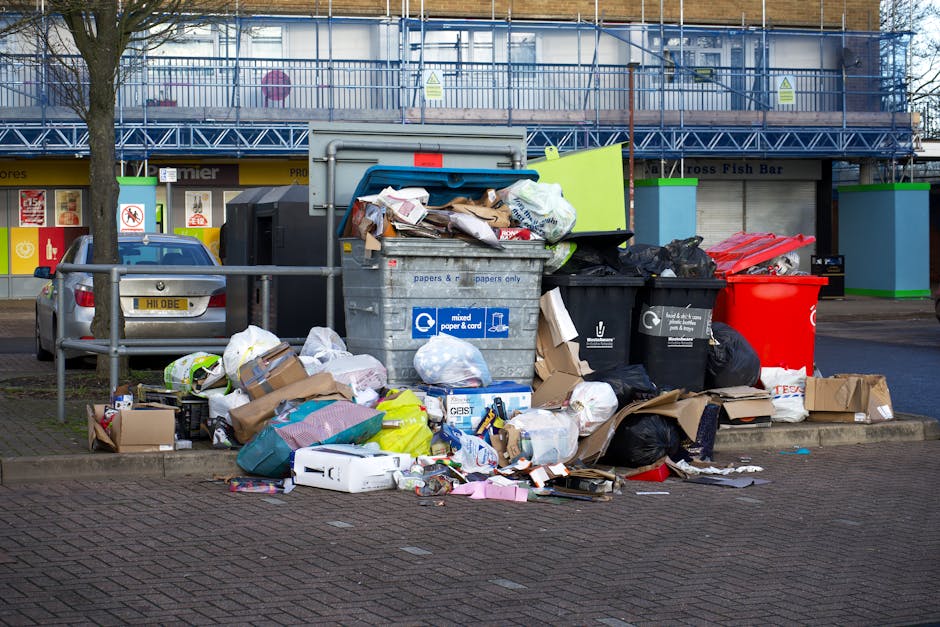
Being a landlord in Fulham sounds straightforward until the waste starts piling up. A tenant moves out and leaves a sofa, broken shelving, bags of mixed rubbish, and somehow a half-dismantled wardrobe in the hallway. Then there's a builders' skip that never appeared, or garden cuttings after a quick tidy-up. Suddenly, What Fulham landlords must know about waste disposal rules is not a side note. It becomes one of those practical issues that can cost time, money, and a fair bit of patience.
This guide breaks the topic down in plain English: what the rules mean in practice, where landlords usually go wrong, how to stay on the safe side, and when professional support makes life easier. It is written for landlords, letting agents, and property managers who want a sensible, no-nonsense approach. Because let's face it, waste disposal is rarely glamorous, but it is one of those quiet responsibilities that keeps a tenancy running smoothly.
- Why it matters
- How it works
- Key benefits and practical advantages
- Who needs this and when it makes sense
- Step-by-step guidance
- Expert tips for better results
- Common mistakes to avoid
- Tools, resources and recommendations
- Law, compliance, standards, or best practice
- Options, methods, or comparison table
- Case study or real-world example
- Practical checklist
- Conclusion
- Frequently asked questions
Why What Fulham landlords must know about waste disposal rules Matters
Waste disposal rules matter because landlords are often the person everyone looks to when a property is left in a mess. Even if the waste was created by tenants, the pressure to sort it out usually lands on the property owner or managing agent. In Fulham, where flats, shared homes, and conversions are common, waste issues can come up fast and in awkward ways: a broken bed frame left by the front door, a pile of packaging after a furniture delivery, or leftover renovation debris after a quick refresh between tenancies.
The big mistake is assuming rubbish is just rubbish. In reality, different types of waste need different handling. General household waste, bulky items, garden waste, electrical items, and builders' rubble all have different expectations around removal and disposal. If a landlord gets this wrong, the result can be more than an untidy property. It can mean complaints from neighbours, failed check-outs, trip hazards, pest issues, or an avoidable compliance problem.
There is also a reputational angle. Good tenants notice when a landlord manages a property properly. Hallways stay clear, bin stores are not overflowing, and end-of-tenancy clean-ups feel organised rather than chaotic. That sounds minor, but in rental property management, minor things add up. A tidy waste plan is one of those invisible bits of professionalism that people really do notice.
Expert summary: The safest approach is simple: know what type of waste you are dealing with, separate it properly, keep records where needed, and use a lawful collection or disposal route. Small habits prevent expensive headaches later.
How What Fulham landlords must know about waste disposal rules Works
At a practical level, waste disposal for landlords works through a chain of responsibility. First, identify the waste. Then decide whether it belongs in normal council collection, a dedicated bulky waste arrangement, a licensed commercial removal route, or a specialist clearance service. After that, make sure it is stored safely, moved legally, and handed over to the right people.
For rented homes in Fulham, this usually falls into a few common scenarios:
- End-of-tenancy clearance: tenants leave items behind or fail to remove bulky waste.
- Property refurbishment: old fixtures, flooring, or packaging need removing after works.
- Garden or communal area upkeep: pruning waste, broken planters, or accumulated debris needs clearing.
- Furniture replacement: sofas, mattresses, wardrobes, or tables need lawful disposal.
- Shared building waste: bins, hallways, or storage areas become overloaded in multi-occupation settings.
In many cases, landlords cannot simply dump items with household bins or leave them beside a communal container. Even where a tenant caused the mess, the location of the waste and the duty to dispose of it properly usually still sits with the landlord or managing agent once the tenancy ends or the issue becomes a property management matter. That is the part people sometimes miss.
If you are dealing with large, mixed, or awkward waste, a structured removal approach often works best. Services such as waste removal can help with general mixed waste, while more specific needs may suit house clearance or flat clearance depending on the property type. For furniture-heavy jobs, furniture disposal or furniture clearance is often the cleaner fit.
Key Benefits and Practical Advantages
Doing waste disposal properly is not just about avoiding trouble. It gives landlords a more predictable, manageable property business. That matters whether you own one flat in Fulham or several rented homes.
- Less risk of complaints: Clear waste plans reduce neighbour disputes, pest concerns, and blocked access routes.
- Faster turnaround between tenancies: A property can be cleaned, checked, and re-let more quickly when rubbish is removed promptly.
- Better presentation: A clear, tidy property photographs better and feels more cared for.
- Reduced safety hazards: No one wants sharp edges, broken glass, or heavy items left where someone could trip.
- More organised compliance: Having a repeatable process makes it easier to show you acted responsibly.
There is also a financial advantage. The cheapest option is not always the cheapest in the long run. A landlord who uses the wrong disposal route, or asks tenants to "just leave it by the curb," can end up dealing with extra call-outs, complaints, replacement costs, and stress. A cleaner process usually saves money eventually. Not always on day one, but definitely over time.
Another benefit is consistency. Once you have a clear system, every check-out and clearance becomes easier. The process stops feeling like a scramble. And that alone is worth a lot on a wet Thursday afternoon when you have five other things happening at once.
Who This Is For and When It Makes Sense
This guidance is most useful for landlords, of course, but it also applies to anyone responsible for rented property operations in Fulham.
- Private landlords managing one or more homes directly
- Letting agents handling void periods, check-outs, and move-ins
- Block managers responsible for shared waste areas and communal storage
- HMOs and shared houses where waste builds up quickly and responsibilities can blur
- Landlords refurbishing units between tenancies
- Accidental landlords who may not yet have a routine for disposal
It makes sense to pay close attention whenever a tenancy ends, a property is being re-let, furniture is replaced, or building work is carried out. It also matters when tenants leave unexpected items behind. That happens more often than people admit. A broken chest of drawers in the hallway is a familiar sight, oddly enough.
If the property is a flat, the logistics can be a little trickier because of shared entrances, stairwells, lift access, and building rules. In those cases, flat clearance is often more practical than trying to tackle the job item by item. For larger or mixed properties, home clearance can be a better all-round option.
Step-by-Step Guidance
Here is a practical way to handle disposal without overcomplicating it.
- Identify the waste type. Separate household rubbish, bulky furniture, electrical items, garden material, and renovation debris.
- Check what is left behind. Make a simple inventory, especially at check-out. A few photos help too.
- Decide who is responsible. Sometimes the tenancy agreement covers abandoned items, sometimes it does not clearly enough. Be careful here.
- Choose the right disposal route. Standard collection, specialist removal, or a clearance service may each suit different waste streams.
- Store waste safely until removal. Keep access routes clear and avoid stacking heavy items unsafely in hallways.
- Arrange the collection. Make sure timing fits check-out, contractors, neighbours, and access arrangements.
- Keep records. Retain invoices, notes, and any relevant handover details.
- Inspect the property after clearance. Small bits are easy to miss: screws, broken glass, packaging tucked behind a radiator, that sort of thing.
A useful real-world habit is to treat every move-out like a mini project. Walk through the property slowly, room by room, then the loft, then the external areas if there are any. Kitchens and storage cupboards hide more than people expect. Honestly, the amount of random stuff that appears in the back of a utility cupboard can be a bit ridiculous.
Expert Tips for Better Results
If you want fewer problems, a few habits make a surprisingly big difference.
- Build a waste check into your inventory process. Do not leave it until the day the tenant hands back the keys.
- Use clear wording in tenancy paperwork. The agreement should explain responsibilities around rubbish and abandoned items as clearly as possible.
- Separate bulky items early. Sofas, wardrobes, and mattresses become awkward fast if left in a pile with bags of general waste.
- Do not guess on materials. If there are electronics, paint, batteries, or anything sharp, treat them cautiously.
- Protect shared areas. In mansion blocks and converted buildings, a messy clearance can irritate neighbours quickly.
- Use a professional route for larger jobs. It is often quicker and cleaner than trying to DIY everything with multiple trips.
One small but important tip: think about the end destination, not just the removal. If waste is being moved off site, it still needs to be handled properly afterwards. That is where a trusted service and sensible documentation matter. For landlords who want a more streamlined approach, it can help to look at a provider's recycling and sustainability approach, along with its health and safety policy and insurance and safety information. Those pages tell you a lot about how seriously a company takes the job.
Common Mistakes to Avoid
Most landlord waste problems come from a handful of avoidable mistakes. Nothing fancy. Just ordinary oversights that snowball.
- Leaving waste in communal areas. Hallways are not storage.
- Mixing all waste together. Mixed loads can create extra handling issues and delays.
- Assuming tenants are always responsible. Even if they created the mess, the landlord often still has to resolve it.
- Ignoring bulky waste. A single mattress can be more troublesome than five bin bags.
- Forgetting garden or loft waste. These spaces are often overlooked during inspections.
- Using the wrong contractor. If someone cannot explain how they manage disposal properly, that is a warning sign.
Another quiet mistake is not planning around timing. Waste left in a property for days can attract complaints, especially in dense streets where bins are already under pressure. In Fulham, where access and parking can be tight, delayed collection can turn a small job into a bigger logistical headache. Why make it harder than it needs to be?
Tools, Resources and Recommendations
Landlords do not need a complicated toolkit, but a few basics help.
- Inventory checklist: Useful for recording what was left behind at check-out.
- Photo records: A simple phone photo can settle disagreements quickly.
- Waste segregation labels: Helpful if you are dealing with multiple item types before collection.
- Tenant communication template: A short written reminder about what must be removed before move-out.
- Clearance and removal support: For larger clear-outs, professional help can keep things moving smoothly.
For landlords who regularly deal with end-of-tenancy clutter, house clearance and loft clearance can be particularly useful where storage areas, spare rooms, or awkward upper-floor spaces need attention. If the issue is more commercial or mixed-use, business waste removal may be more appropriate.
There is also value in checking practical business information before booking. A clear pricing and quotes page helps you understand how a job may be structured, while an about us page can give you a feel for how the team works. For service questions or booking details, the contact us page is the sensible next stop.
Law, Compliance, Standards, or Best Practice
With waste disposal, it is safest to think in terms of legal duty, landlord responsibility, and recognised best practice rather than casual convenience. In the UK, landlords need to make sure waste is not abandoned, fly-tipped, or stored unsafely. They should also avoid passing waste to anyone who cannot properly handle it. That is the broad principle. The exact detail depends on the waste type and the circumstances, so caution is sensible.
For landlords, the practical compliance points usually include:
- Do not leave waste in shared spaces. Access routes must stay clear.
- Use lawful disposal methods. Mixed waste and bulky items should go through proper channels.
- Keep records where useful. Invoices and job notes can support your audit trail.
- Be careful with hazardous or specialist items. Some materials need extra care.
- Think about duty of care. Once waste leaves the property, it still needs to be handled responsibly.
Best practice is usually simple and boring in the best possible way: separate waste, arrange timely collection, confirm the disposal route, and keep evidence. That may not sound thrilling, but it is exactly the sort of dull discipline that prevents awkward conversations later.
Options, Methods, or Comparison Table
There are a few different ways landlords can handle disposal. The right choice depends on the type of waste, the urgency, and the property setup.
| Option | Best for | Pros | Watch-outs |
|---|---|---|---|
| Standard bin collection | Small amounts of regular household waste | Simple, familiar, low effort | Not suitable for bulky items or large clear-outs |
| Landlord-managed DIY removal | Very small jobs with light waste | Flexible if you already have transport | Time-consuming, messy, and easy to get wrong |
| Specialist clearance service | Bulky, mixed, or time-sensitive waste | Efficient, practical, less disruption | Needs careful booking and cost review |
| Targeted item disposal | Furniture, garage contents, garden waste, loft clutter | More precise for the job at hand | May still require multiple waste categories |
In practice, landlords often choose a mixed approach. A small amount of general rubbish goes one way, while bulky items and leftover furniture go another. For example, after a tenancy ends, you might only need a handful of bags plus a sofa and a broken bed frame. That is exactly the sort of job where targeted collection is more sensible than trying to fit everything into ordinary bins. If the furniture is the main issue, furniture clearance can be a neat solution.
Case Study or Real-World Example
Here is a realistic landlord scenario. A two-bedroom Fulham flat comes back after a tenancy with mixed waste: a mattress, an old desk, several bin bags, packaging from a flat-pack wardrobe, and a few items left in the loft cupboard. The hallway is shared, the building has limited parking, and the next viewing is booked for two days later. Tight turnaround. Very typical.
The landlord's first instinct might be to ask the outgoing tenant to remove everything. Fair enough. But once the tenant has left, that delay may make the flat unavailable for photographs, cleaning, and re-marketing. So the more practical move is to document the condition, separate the waste, arrange an appropriate clearance, and keep the access route clear so neighbours are not disrupted.
In that kind of case, the best result usually comes from a combined approach: remove bulky furniture with a dedicated service, clear the remaining waste, and inspect the property for small bits that were missed. A job like that is also where a service such as flat clearance can save a lot of back-and-forth. You get the place reset faster, the landlord avoids a messy manual clear-out, and the next tenant sees a property that feels properly looked after. Simple enough, but hugely useful.
Practical Checklist
Use this checklist before and after a landlord waste clear-out.
- Check the tenancy agreement and property notes
- Inspect every room, cupboard, loft area, and outdoor space
- Separate general waste, furniture, and specialist items
- Photograph anything left behind
- Make sure shared areas stay unobstructed
- Book the right removal method for the waste type
- Confirm timing around access, keys, and neighbour impact
- Keep invoices and disposal records
- Re-check the property after removal
- Update your process for next time, because there is always a next time
If the waste includes outdoor clutter, don't forget the less obvious spaces. A full garage clearance or garden clearance may be needed where bins, cuttings, broken tools, or stored junk have built up over time.
Conclusion
What Fulham landlords must know about waste disposal rules is not just a compliance question; it is a property management habit. The landlords who handle it well tend to have smoother tenancies, quicker void turnarounds, fewer neighbour complaints, and less stress when a property needs tidying up fast. That is the real value here.
Keep it simple: identify the waste, sort it properly, choose the right removal method, and keep a record of what happened. Do that consistently and you will avoid most of the annoying little problems that waste can create. Not every clearance will be neat or predictable, but it does not have to become a drama either. With a sensible process, it stays manageable.
Get a free quote today and see how much you can save.
And if you want to keep your rental property moving without the usual hassle, a calm, organised waste plan is one of the easiest wins you can give yourself. Tiny thing, really. Big difference.
Frequently Asked Questions
Can a landlord leave waste behind for tenants to deal with?
Usually, no. Landlords should not expect incoming tenants to clear waste left by someone else. The property should be handed over in a clean, safe condition, with waste removed before the next tenancy starts.
Who is responsible for waste left after a tenant moves out?
It depends on the tenancy terms and the situation, but in practice the landlord or managing agent usually has to arrange removal once the tenant has gone. If the waste is abandoned, the property owner often ends up taking control of the issue.
What counts as bulky waste in a rental property?
Bulky waste usually means items that are too large for normal bins, such as sofas, mattresses, wardrobes, tables, and broken appliances. These items need a proper removal route rather than ordinary bin collection.
Can I put tenant rubbish in the communal bins?
Only if the waste is suitable for those bins and there is enough capacity. Overloading shared bins or leaving items beside them can cause complaints and may create a mess for the whole building.
Do landlords need to keep records of waste disposal?
Yes, that is a sensible best practice. Keep invoices, job notes, and any useful photos. It helps if there is ever a dispute, and it shows you took the issue seriously.
What should I do with old furniture left in a Fulham flat?
Old furniture should be removed through a lawful disposal route. Depending on the amount and type of furniture, a targeted service such as furniture disposal or furniture clearance may be the most practical option.
Is it okay to move rubbish into the hallway before collection?
Only temporarily and only if it does not block access or create a hazard. In shared buildings, hallways should stay clear. If items need to wait for collection, keep them somewhere safe and permitted.
What if the waste includes broken bits, nails, or sharp objects?
Treat it carefully. Pack sharp items safely, separate them if possible, and avoid leaving them where anyone could be injured. If the job feels awkward or messy, professional removal is usually the better call.
Is professional waste removal worth it for landlords?
For small amounts, you might handle it yourself. But for bulky, mixed, or time-sensitive waste, professional removal often saves time and reduces the risk of mistakes. In busy rental management, that convenience matters.
How can I reduce waste problems at the end of a tenancy?
Use a clear tenancy agreement, inspect the property thoroughly, remind tenants about move-out responsibilities early, and include waste checks in your handover process. Prevention is much easier than a last-minute scramble.
What should I do if a clearance job also involves refurbishment waste?
Separate the renovation debris from the household waste and use the right removal route for each. If the project includes fixtures, packaging, or building debris, a dedicated clearance approach may be more appropriate than a standard clean-out.
Where can I learn more about the company's policies before booking?
You can review practical pages such as terms and conditions, health and safety policy, recycling and sustainability, and insurance and safety. Those pages help you understand how the service is run and what standards to expect.