Working Green: Master the Art of Office Waste Elimination
Businesses and professionals worldwide are embracing sustainability like never before. As organizations take conscious steps toward a greener future, mastering office waste elimination has emerged as a critical aspect of workplace responsibility and efficiency. This comprehensive guide will walk you through the art of working green, sharing actionable tips and insights to help you foster an eco-friendly, productive office that stands out in your field.
Why Prioritize Office Waste Elimination?
The modern office is a hotbed of activity--and, unfortunately, waste generation. From single-use plastics to mountains of paper, offices can significantly impact the environment. By targeting office waste, your organization not only contributes to a healthier planet, but also:
- Reduces operational expenses by cutting down on excessive resource consumption.
- Enhances brand image by demonstrating your commitment to environmental sustainability.
- Complies with increasing environmental regulations and avoids potential fines.
- Boosts team morale by engaging employees in meaningful, purpose-driven initiatives.
Let's explore how to master the art of office waste elimination and implement real change at your workplace.
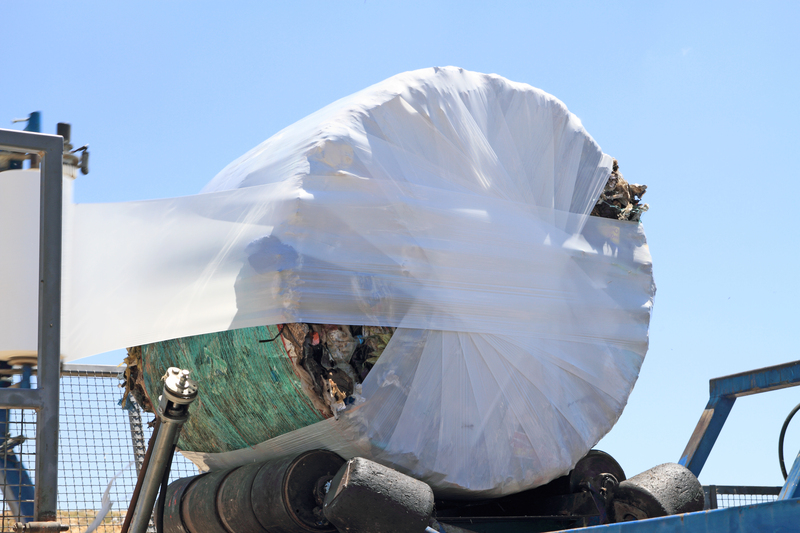
Understanding the Spectrum of Office Waste
To successfully work green, you must first identify and analyze the sources of waste in your office. Waste in the office can be generally categorized as:
- Paper waste - old files, drafts, reports, magazines, envelopes.
- Plastic waste - water bottles, food containers, packaging materials.
- Electronic waste - obsolete computers, printers, cables, and batteries.
- General waste - food scraps, disposable cutlery, teabags, coffee pods.
- Miscellaneous waste - promotional materials, obsolete office items, breakroom clutter.
Each waste stream requires unique elimination strategies. Mastering office waste elimination means adopting a holistic approach that considers every aspect of the office environment.
Top Strategies for Office Waste Reduction and Elimination
1. Go Paperless (or as Close as Possible)
The advent of digital technology makes paperless office a feasible goal for most organizations. Here's how you can cut down on paper waste:
- Digitize Document Management: Use cloud storage and digital document systems (e.g., Google Drive, Dropbox, Microsoft Teams) to store and share files.
- Adopt Digital Signatures: Replace printed contracts and forms with secure e-signature solutions.
- Encourage Double-Sided Printing: If printing is unavoidable, print double-sided by default and use draft mode for internal documents.
- Reuse Scrap Paper: Set up trays for collecting single-sided sheets to be reused as notepads or scratch paper.
- Opt Out of Junk Mail: Unsubscribe from unnecessary print catalogs and promotional mailers.
The cumulative effect of these small changes is significant. Many companies have reported up to 40% reduction in paper use through digital initiatives.
2. Tackle Plastic Pollution in the Workplace
Plastic waste is one of the most persistent threats to our environment. To work green and eliminate plastic waste in the office:
- Provide Refillable Water Stations: Encourage staff to use personal, reusable bottles.
- Ban Single-use Plastics: Replace disposable cups, plates, and cutlery with durable, reusable options in break rooms and kitchens.
- Source Sustainable Supplies: Choose vendors that minimize plastic packaging or offer compostable, biodegradable alternatives.
- Incentivize Green Choices: Reward employees who consistently participate in plastic elimination efforts.
Pro Tip: Regularly audit kitchen and cleaning supplies to identify further opportunities for reducing plastic waste.
3. Electronics: Recycle and Repurpose
With technology evolving rapidly, e-waste is a growing problem for many offices. Proper e-waste management is crucial for safety and sustainability:
- Partner with Certified E-waste Recyclers: Ensure all electronics, batteries, and accessories are responsibly recycled.
- Donate Usable Equipment: Extend the lifecycle of computers, monitors, and printers by donating them to local charities or reuse organizations.
- Consolidate Devices: Replace individual printers with centralized, energy-efficient multifunction machines.
- Properly Dispose of Toners and Cartridges: Use manufacturer take-back programs or local recycling solutions.
Implementing proper electronics stewardship demonstrates a high level of corporate environmental responsibility.
4. Food Waste and Composting in Offices
Breakroom waste can account for a substantial percentage of office landfill contributions. To master the art of waste elimination in the kitchen or lunchroom:
- Compost Collection: Set up accessible bins for food scraps, coffee grounds, and biodegradable packaging.
- Promote Zero-Waste Lunches: Encourage employees to bring reusable containers and utensils.
- Source Local & Sustainable: Work with caterers or food vendors that use locally-sourced, minimal-packaging ingredients.
- Educate and Remind: Post signs about what is compostable and recyclable to avoid contamination.
A comprehensive food waste program not only diverts organic waste from landfills, it can also save money on waste removal contracts.
5. Rethinking Office Supplies and Procurement
Green procurement is about choosing eco-friendly office products and reducing excess:
- Buy in Bulk: Purchasing supplies in bulk minimizes packaging waste.
- Choose Sustainable Materials: Look for recycled paper, refillable pens, biodegradable cleaning products, and non-toxic inks.
- Centralize Supply Management: Prevent over-ordering or duplication by having a single department manage all supply requests.
- Implement "Take or Leave" Stations: Set up a spot for sharing unused items--binders, folders, and staplers--reducing the need for new purchases.
The choices you make when purchasing supplies can have a remarkable long-term impact on your office waste footprint!
Building a Green Office Culture
Leadership and Employee Engagement
Creating a zero waste office is about more than just policies; it's about culture. Change is most effective when everyone is on board:
- Lead by Example: Management should visibly participate in recycling and waste elimination efforts.
- Host Sustainability Workshops: Regular sessions can educate team members on best practices, new programs, and progress updates.
- Green Champions: Empower volunteers from each department to advocate for green initiatives.
- Recognize and Reward: Celebrate teams or individuals who make significant contributions to waste elimination.
Celebrating milestones--such as 100 days without disposable cups or achieving a 50% waste reduction--motivates further participation and success.
Waste Audits and Continuous Improvement
Regularly auditing your waste streams teaches valuable lessons about your office's habits and the effectiveness of your sustainability programs:
- Conduct Quarterly Audits: Sort and quantify office trash to identify new reduction opportunities.
- Analyze and Act: Use audit data to adjust procurement strategies, recycling programs, and educational efforts.
- Solicit Feedback: Encourage staff to suggest improvements based on their experiences.
- Set SMART Goals: Ensure targets for waste reduction are Specific, Measurable, Achievable, Relevant, and Time-bound.
A continuous improvement mindset is crucial to truly eliminating office waste and working green in the long run.
Leveraging Technology for Office Waste Elimination
There's a wealth of digital tools available to help minimize workplace waste:
- Document Management Systems: Automate document storage, reduce duplication, and facilitate secure electronic sharing.
- Energy Management Apps: Monitor and adjust lighting, heating, and device power usage to avoid energy waste.
- Recycling Trackers: Apps and platforms (like TerraCycle, Recycle Coach) track waste diversion and educate employees on best practices.
Technology isn't just about convenience--it's an essential pillar of modern office waste elimination.
Benefits of a Waste-Free, Green Office
Taking office waste elimination seriously delivers outstanding benefits that extend beyond the bottom line:
- Operational Efficiency: Lean processes and streamlined resource use boost productivity.
- Cost Savings: Lower procurement and waste disposal expenses quickly add up.
- Positive Brand Image: Clients, investors, and prospective hires increasingly look for companies that lead by example on sustainability.
- Employee Well-Being: A clean, organized, and environmentally conscious workspace fosters engagement and loyalty.
- Stronger Compliance: Proactively meeting or exceeding regulations prepares your company for the future.
Mastering office waste elimination isn't just the right thing for the environment--it's truly better for your business, your team, and your community.
Overcoming Challenges on Your Green Office Journey
Even the most dedicated organizations experience hurdles on the road to a zero-waste office. Some common challenges include:
- Resistance to Change: Not all employees or departments may initially see the need for new routines.
- Lack of Infrastructure: Older buildings or small offices may lack space for compost bins, recycling stations, or energy-efficient appliances.
- Uncertain ROI: Leadership may question the financial payback of green investments.
- Knowledge Gaps: Employees may not know what materials can be recycled or composted locally.
Address these issues through education, clear communication, and phased implementation. Small, measurable successes build confidence and encourage broader adoption over time.
Case Studies: Green Office Success Stories
Tech Innovators Reduce Paper and E-Waste
A leading software company kickstarted an office-wide initiative to go paperless and curb e-waste. By migrating all documentation to a cloud-based file system, eliminating individual printers, and implementing an e-waste return day, they reduced their trash output by 60% within a year. Employee engagement soared as green "champions" led department-wide blitzes every quarter.
Legal Firm Slashes Single-Use Plastics
A progressive law firm switched out all breakroom disposables for ceramic mugs, metal cutlery, and glass plates. Water filtration units replaced bottled water delivery, and reusable shopping bags became standard for lunch runs. The result? A reduction of over 30,000 single-use items in their annual waste audit--and a glowing feature in a local business sustainability magazine.

Getting Started: Your Office Waste Elimination Checklist
Ready to launch your own green office waste elimination campaign? Use this quick-start checklist:
- Assess: Conduct a baseline waste audit to understand your current outputs.
- Plan: Set clear, realistic goals for waste reduction (e.g., 25% less landfill waste in the next 12 months).
- Engage: Involve leadership and appoint green office ambassadors.
- Educate: Provide training, resources, and regular updates to all staff.
- Implement: Roll out targeted programs one at a time--starting with the easiest wins to build momentum.
- Measure: Track progress and celebrate milestones publicly.
- Refine: Use feedback and audit data to improve over time.
Conclusion: Become a Leader in Office Waste Elimination
Working green and mastering office waste elimination no longer means inconvenience or higher costs--it represents the future of productive, innovative, and resilient workplaces. By adopting smart, sustainable practices and instilling a green culture at every level, you ensure your organization thrives while protecting our planet for the next generation.
Don't wait for regulations to force your hand--become a trailblazer in your industry. Start today on your journey to a zero waste, high-performance green office, and unlock the benefits for your people, your business, and our global community!